- Tel: +86 13451474678 / 13451474678
- Email: / hbzinanmech@gmail.com


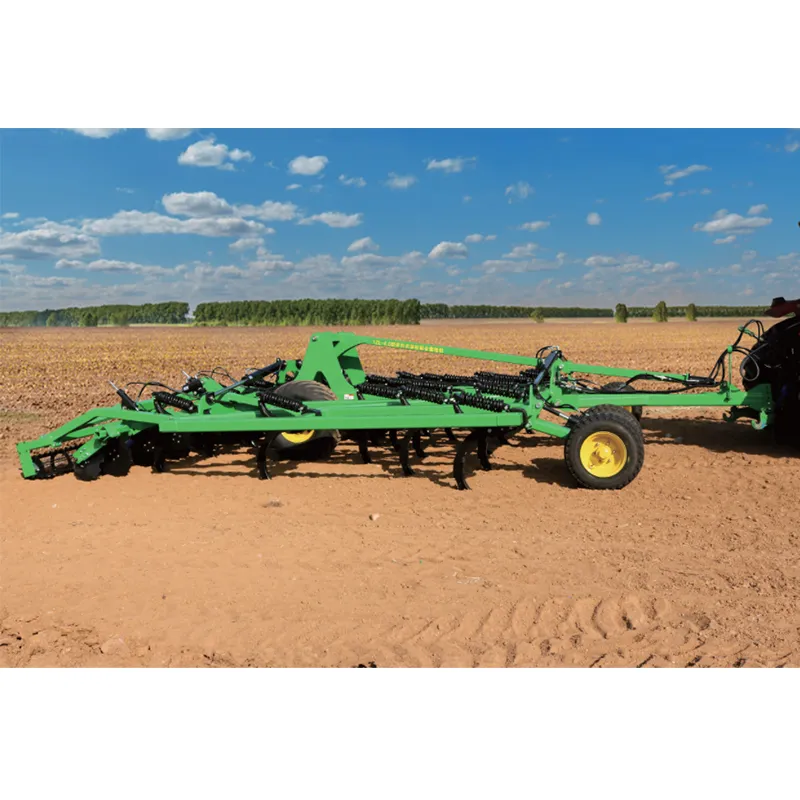
transmission shaft price
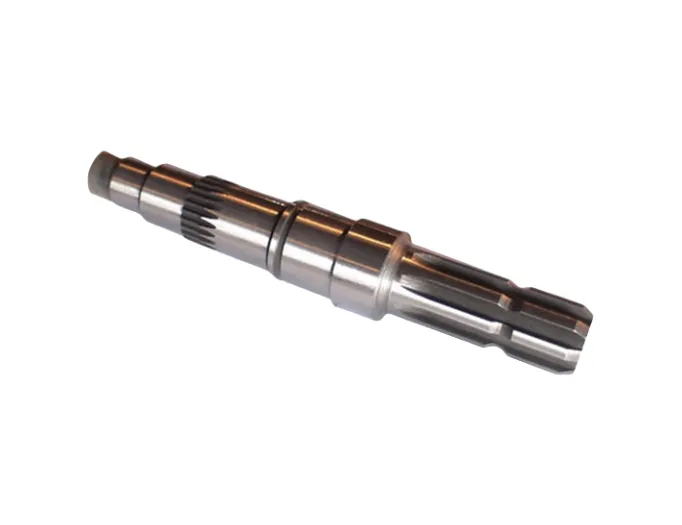
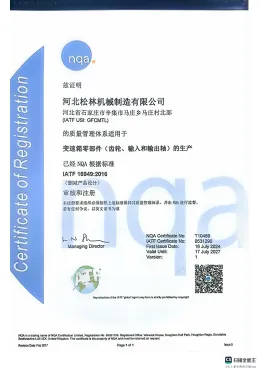
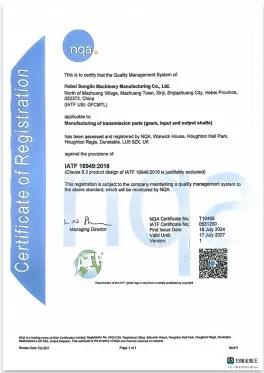
Industry Trends in Power Transmission Components The global market for power transmission components, including various types of shafts, gears, and couplings, continues to evolve rapidly, driven by industrial automation, electrification, and the demand for higher efficiency and reliability. For businesses seeking a robust spline shaft for sale , understanding these overarching trends is crucial. Key trends include the increasing adoption of advanced materials like high-strength alloy steels and composites, precision manufacturing techniques such as CNC machining and additive manufacturing, and integrated smart solutions incorporating sensors for predictive maintenance. Furthermore, there's a significant push towards energy-efficient designs that minimize power loss and extend the service life of machinery. Industries such as agriculture, automotive, aerospace, and heavy machinery are continuously upgrading their equipment, necessitating splined shafts that can withstand extreme torques, high rotational speeds, and demanding environmental conditions. The demand for customized solutions, particularly for complex applications requiring specific tooth profiles (e.g., involute splines) or specialized heat treatments, is also on the rise. Data from recent market reports indicates a CAGR of 4.5% for industrial power transmission components from 2023-2028, underscoring the sustained growth and innovation in this sector. Detailed Manufacturing Process Flow of Spline Shafts The production of high-performance spline shaft for sale involves a meticulous multi-stage manufacturing process, ensuring precision, durability, and optimal performance under various operational stresses. Our commitment to excellence is reflected in every step, from material selection to final inspection. 1. Material Selection and Preparation We primarily utilize high-grade alloy steels such as 42CrMo4 (AISI 4140), C45 (AISI 1045), 34CrNiMo6, and 20CrMnTi. These materials are chosen for their superior strength, toughness, wear resistance, and hardenability. For specific applications requiring enhanced corrosion resistance, stainless steels (e.g., 304, 316) may be used. Raw material undergoes rigorous inspection to verify chemical composition and mechanical properties against international standards like ASTM and EN. 42CrMo4 (AISI 4140): Excellent strength and toughness, suitable for highly stressed components. C45 (AISI 1045): Good machinability and moderate strength, often case hardened. 20CrMnTi: Superior core strength and surface hardness after case hardening, ideal for heavy-duty applications. 2. Forging or Hot Rolling Depending on the desired mechanical properties and overall shaft geometry, the material is either forged or hot rolled. Forging refines the grain structure, enhancing strength and impact resistance, particularly crucial for applications like a spline shaft for sale in demanding environments. 3. Rough Machining (Turning & Milling) Initial shaping of the shaft blank is performed using advanced CNC turning and milling centers. This stage removes excess material, bringing the shaft close to its net shape while maintaining precise dimensions for subsequent processes. 4. Spline Cutting (Hobbing or Milling) The critical spline teeth are generated using high-precision hobbing or milling machines. Hobbing is efficient for producing involute splines, ensuring accurate tooth profiles and spacing according to standards such as ANSI B92.1 or DIN 5480. This step is crucial for the optimal torque transmission and minimal backlash of the spline shaft for sale . 5. Heat Treatment Heat treatment processes are vital for achieving the desired mechanical properties, including hardness, toughness, and wear resistance. Common treatments include: Carburizing & Quenching: For low-carbon alloy steels, creating a hard, wear-resistant surface with a tough core. Induction Hardening: For localized hardening of spline teeth or journals, providing excellent wear resistance. Nitriding: A lower-temperature process for improved fatigue strength and corrosion resistance without significant distortion. Through Hardening & Tempering: For uniform hardness throughout the shaft, suitable for medium to high-carbon steels. 6. Precision Grinding & Finishing Post-heat treatment, the shafts undergo precision grinding to achieve tight dimensional tolerances, superior surface finish (e.g., Ra 0.8-1.6 μm), and to correct any heat treatment distortion. This includes grinding of journals, bearing surfaces, and often the spline teeth flanks for highly precise applications. 7. Quality Control & Testing Each spline shaft for sale undergoes rigorous quality control. Testing standards adhere to ISO 9001, ANSI, and DIN specifications. Dimensional Inspection: Using CMMs (Coordinate Measuring Machines), calipers, and micrometers to verify all dimensions, including spline tooth geometry, concentricity, and runout. Hardness Testing: Rockwell or Vickers hardness tests to confirm heat treatment effectiveness. Surface Roughness Measurement: Ensuring optimal surface finish for reduced friction and extended life. Magnetic Particle Inspection (MPI): Detecting surface and near-surface flaws, ensuring structural integrity. Fatigue Testing (Sample Basis): For critical applications, testing under cyclic loads to predict service life. 8. Corrosion Protection & Packaging Finished shafts are coated with anti-corrosion agents (e.g., rust preventative oil) and carefully packaged to prevent damage during transit and storage. This meticulous process ensures that every spline shaft we supply meets the highest standards of quality, reliability, and performance, offering an extended service life and superior operational advantages such as energy saving and corrosion resistance in diverse target industries, from agricultural machinery (e.g., rotary tillers) to petrochemical and metallurgy. Technical Specifications and Parameters Understanding the precise technical specifications is paramount when evaluating a spline shaft for sale . Our products are engineered to meet stringent performance requirements across various industrial applications. Product Specification Table: Spline Shafts for Rotary Tillers Parameter Specification / Value Standard Material 42CrMo4 (AISI 4140), 20CrMnTi EN 10083-1, ASTM A29 Spline Type Involute Spline, Straight Sided Spline ANSI B92.1, DIN 5480 Number of Splines 6, 8, 10, 14, 20 (Customizable) N/A Major Diameter 25 mm - 100 mm (Customizable) ANSI B92.1, DIN 5480 Minor Diameter Corresponding to major diameter ANSI B92.1, DIN 5480 Pressure Angle 30° (Involute Spline) ANSI B92.1 Length 150 mm - 1500 mm (Customizable) N/A Hardness (Surface) 58-62 HRC (Case Hardened) ASTM E18 Hardness (Core) 30-40 HRC ASTM E18 Surface Finish (Ra) 0.8 – 1.6 µm ISO 4287 Tolerance Class Class 5-7 (ISO 1328-1) ISO 1328-1 For specialized requirements, such as a 1 1/4 14 spline shaft , our engineering team works closely with clients to develop custom specifications that align precisely with their machinery's operational envelope. Application Scenarios and Industry Focus Spline shafts are integral components in power transmission systems, enabling the transfer of torque between two rotating elements while allowing for axial movement. The versatility and robustness of our splined shafts for sale make them suitable for a diverse range of demanding applications across numerous industries. Agricultural Machinery: Rotary tillers, tractors, harvesters, and other farm equipment rely heavily on spline shafts for power take-off (PTO) systems and gearbox inputs, enduring harsh conditions and heavy loads. Our spline shaft for rotary tiller is specifically designed for these rigorous demands. Automotive Industry: Transmissions, drive shafts, steering columns, and axle assemblies in vehicles, where precise torque transfer and resistance to vibrations are critical. Construction Equipment: Heavy excavators, loaders, bulldozers, and cranes use spline shafts in their hydraulic pump drives and gearbox systems to handle immense forces. Industrial Gearboxes: Essential for speed reducers, machine tools, and conveyors in manufacturing plants, ensuring reliable and efficient power transfer. Aerospace and Defense: Actuator systems, landing gear mechanisms, and engine components where high precision, low weight, and extreme reliability are non-negotiable. Petrochemical and Metallurgy: Drives for pumps, mixers, and rollers in these industries require robust shafts that can withstand corrosive environments and high temperatures, offering superior corrosion resistance. Marine and Offshore: Propulsion systems, winches, and auxiliary machinery on ships and offshore platforms demand components capable of enduring saline environments and continuous operation. In these scenarios, the ability of our spline shafts to transmit high torque with minimal backlash, coupled with their extended service life, translates directly into enhanced energy saving and reduced maintenance costs for our clients. Technical Advantages and Performance Metrics Our range of spline shafts offers distinct technical advantages that set them apart in the competitive market, delivering superior performance and long-term value. High Torque Transmission: Designed with optimized involute spline profiles, our shafts maximize contact area between the shaft and hub, distributing load evenly and allowing for significantly higher torque transmission compared to keyway designs. Reduced Backlash: Precision manufacturing and tight tolerances minimize rotational play (backlash), which is crucial for applications requiring precise angular positioning and smooth operation, reducing wear and improving system efficiency. Enhanced Fatigue Life: Through advanced heat treatment (e.g., carburizing, induction hardening) and surface finishing processes (e.g., shot peening), our spline shafts exhibit exceptional resistance to fatigue failure, extending their operational lifespan significantly. Superior Wear Resistance: The hardened surface layer of the spline teeth provides excellent resistance to abrasive wear, especially critical in high-speed or heavy-load applications. Axial Alignment Compensation: Splined connections inherently allow for axial movement, accommodating minor misalignments and thermal expansion without inducing significant stresses on connected components. Corrosion Resistance: Options for specific material grades (e.g., stainless steel) and specialized coatings ensure optimal performance in corrosive or humid environments, leading to reduced maintenance and extended component life. Cost-Effectiveness through Longevity: While the initial investment might be higher than simpler alternatives, the extended service life, reduced downtime, and lower maintenance requirements of our splined shafts for sale result in a lower total cost of ownership. These advantages are validated by extensive internal testing and positive feedback from clients in various demanding sectors, confirming the robustness and reliability of our products. Vendor Comparison: Key Differentiators When selecting a supplier for a spline shaft for sale , evaluating vendor capabilities beyond basic pricing is essential. Our company distinguishes itself through a combination of engineering expertise, manufacturing precision, and comprehensive customer support. Feature/Criterion Our Offering Typical Competitor Material Traceability Full, certified from mill to finished product Often limited or partial Manufacturing Precision ISO 1328-1 Class 5-7, Sub-micron surface finish ISO 1328-1 Class 8-10, Standard surface finish Heat Treatment Options Carburizing, Induction Hardening, Nitriding, Through Hardening Limited to standard case hardening Customization Capabilities Full engineering support for unique designs, materials, and processes Limited to minor modifications of standard products Quality Certifications ISO 9001:2015, In-house QC Lab with calibrated equipment Basic ISO certification, external testing often required Warranty & Support Comprehensive warranty, dedicated technical support, post-sale service Standard limited warranty, basic support Typical Lead Time 4-8 weeks for custom, 2-4 weeks for standard 6-12 weeks for custom, 3-6 weeks for standard Our emphasis on stringent quality control, advanced manufacturing technologies, and a deep understanding of application-specific challenges positions us as a preferred partner for critical power transmission components. Our decade of experience in the sector and a track record of serving diverse clients, from large agricultural equipment manufacturers to specialized industrial machinery producers, underscore our authoritativeness. Customized Solutions Recognizing that off-the-shelf solutions rarely fit every unique application, we specialize in providing tailored splined shafts for sale . Our engineering team collaborates closely with clients to design and manufacture shafts that meet precise performance specifications, integrating seamlessly into existing or new systems. Customization options include: Material Selection: From high-alloy steels for extreme loads to stainless steels for corrosion resistance. Spline Profiles: Involute, straight-sided, serrated, or unique custom designs to match specific hub geometries. This includes specialized geometries like those needed for a 1 1/4 14 spline shaft . Dimensions and Tolerances: Precision ground to specific lengths, diameters, and tight angular/concentricity tolerances. Heat Treatment: Tailored surface hardening depths and core properties for optimized wear, fatigue, and impact resistance. Surface Coatings: Options for specific anti-corrosion, low-friction, or wear-resistant coatings (e.g., black oxide, chrome plating). Integrated Features: Incorporating bearing journals, gear teeth, internal threads, or keyways as part of a single component. Our design process involves finite element analysis (FEA) for stress distribution and fatigue life prediction, ensuring that custom designs not only meet but often exceed expected performance benchmarks. This consultative approach minimizes risks and optimizes performance for critical applications. Application Case Studies Our spline shafts have been successfully implemented in various challenging environments, consistently delivering reliable performance. Case Study 1: Agricultural Machinery OEM A leading agricultural equipment manufacturer required a robust spline shaft for their next-generation heavy-duty rotary tiller. Previous shafts from another supplier were experiencing premature fatigue failure due to inconsistent heat treatment and material quality. Challenge: High cyclic torque loads, abrasive soil conditions, and a need for extended service intervals. Solution: We engineered a custom spline shaft using 20CrMnTi alloy steel, subjected to meticulous carburizing and precision grinding. The design incorporated optimized involute spline geometry for enhanced load distribution. Result: The new shafts demonstrated a 40% increase in fatigue life and 25% better wear resistance in field trials, leading to a significant reduction in warranty claims and improved end-user satisfaction. The OEM reported enhanced energy saving due to smoother operation. Case Study 2: Industrial Pump Manufacturer An industrial pump manufacturer sought improved reliability for the drive shafts in their high-pressure petrochemical pumps. The shafts needed to withstand corrosive chemicals and transmit power continuously. Challenge: Severe corrosive environment, continuous high-speed operation, and a critical need for zero downtime. Solution: We supplied spline shafts made from 316L stainless steel, coupled with a specialized nitriding process to further enhance surface hardness and corrosion resistance without compromising the material's inherent properties. Result: The custom shafts exhibited exceptional corrosion resistance and extended operational life, eliminating premature failures previously experienced. The client noted substantial savings from reduced maintenance and increased operational uptime. Frequently Asked Questions (FAQ) Q1: What are the primary advantages of involute splines over straight-sided splines? A1: Involute splines offer several advantages, including superior load distribution across multiple teeth, reduced stress concentrations, and the ability to compensate for minor misalignment, leading to higher torque capacity and extended service life. They also allow for easier assembly. Q2: How do you ensure the quality and precision of your spline shafts? A2: Our quality assurance process is comprehensive, adhering to ISO 9001 standards. It includes material traceability, in-process dimensional checks using CMMs, hardness testing, surface finish analysis, and magnetic particle inspection. Every spline shaft for sale undergoes rigorous final inspection before shipment. Q3: Can you produce custom spline shafts based on client drawings and specifications? A3: Absolutely. Customization is a core capability. We work with client-provided drawings, CAD models, and performance requirements to engineer and manufacture bespoke spline shafts, including specialized dimensions like a 1 1/4 14 spline shaft . Our engineering team can also assist with design optimization. Q4: What is the typical lead time for an order of spline shafts? A4: Lead times vary depending on the complexity of the design, material availability, and order quantity. For standard products, it's typically 2-4 weeks. For custom-engineered splined shafts for sale , lead times can range from 4-8 weeks after design finalization. We provide firm lead time estimates upon quote. Lead Time, Warranty, and Customer Support Lead Time & Fulfillment We maintain efficient production schedules to ensure timely delivery. Our lead times are generally 2-4 weeks for standard products and 4-8 weeks for customized spline shafts, subject to order complexity and current production load. We offer global shipping capabilities and work with trusted logistics partners to ensure secure and prompt delivery. Expedited options are available upon request for urgent requirements. Warranty Commitments Every spline shaft we manufacture comes with a comprehensive warranty against material and manufacturing defects. Our standard warranty period is 12 months from the date of installation or 18 months from the date of shipment, whichever comes first. This commitment underscores our confidence in the quality and durability of our products, providing our clients with peace of mind. Customer Support Our dedicated customer support team and technical engineers are available to assist with product selection, application guidance, technical queries, and after-sales service. We offer comprehensive support throughout the product lifecycle, from initial inquiry to post-installation assistance. Our goal is to forge long-term partnerships built on trust, reliability, and unparalleled service. References ISO 9001:2015 - Quality management systems — Requirements. International Organization for Standardization. ANSI B92.1 - Involute Splines and Inspection, Inch Version. American National Standards Institute. DIN 5480 - Involute Splines with 30° Pressure Angle. Deutsches Institut für Normung. ASTM A29/A29M - Standard Specification for Steel Bars, Carbon and Alloy, Hot-Wrought, General Requirements for. ASTM International. Global Industrial Power Transmission Components Market Report 2023-2028. ResearchAndMarkets.com.
-
0YEARS IN THE FIELD
-
0 KEXPERIENCED STAFFS
-
-
-
0 kACCOMPLISHED PROJECT
-
0SATISFIED CLIENTS
-
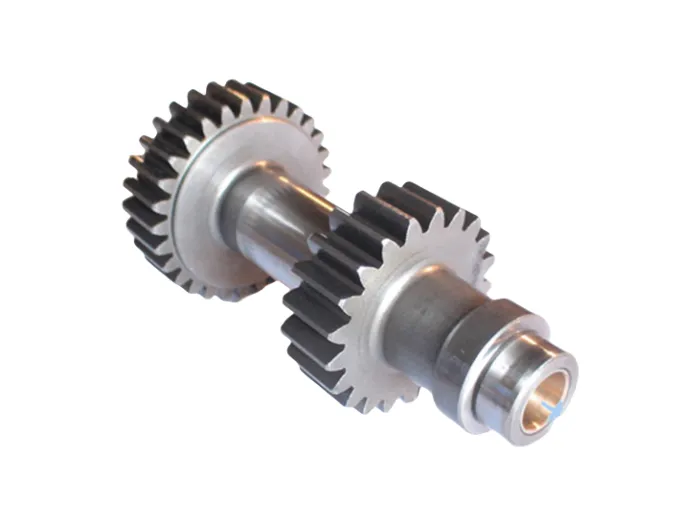
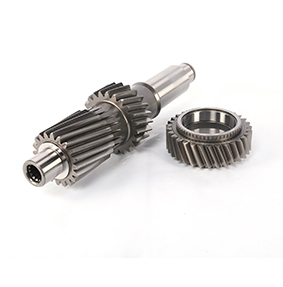
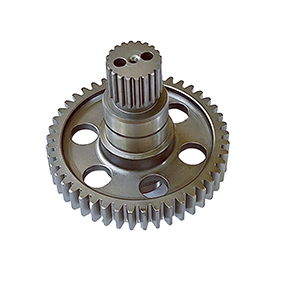
01The Application of Agricultural Machinery Gears In The IndustryAgricultural machinery gears are widely used in the agricultural machinery industry. In tractors, gears are applied to the transmission system. They can transmit the power from the engine to the wheels and achieve different speeds and torques through different gear combinations, so as to adapt to various working conditions such as plowing and transportation.
-
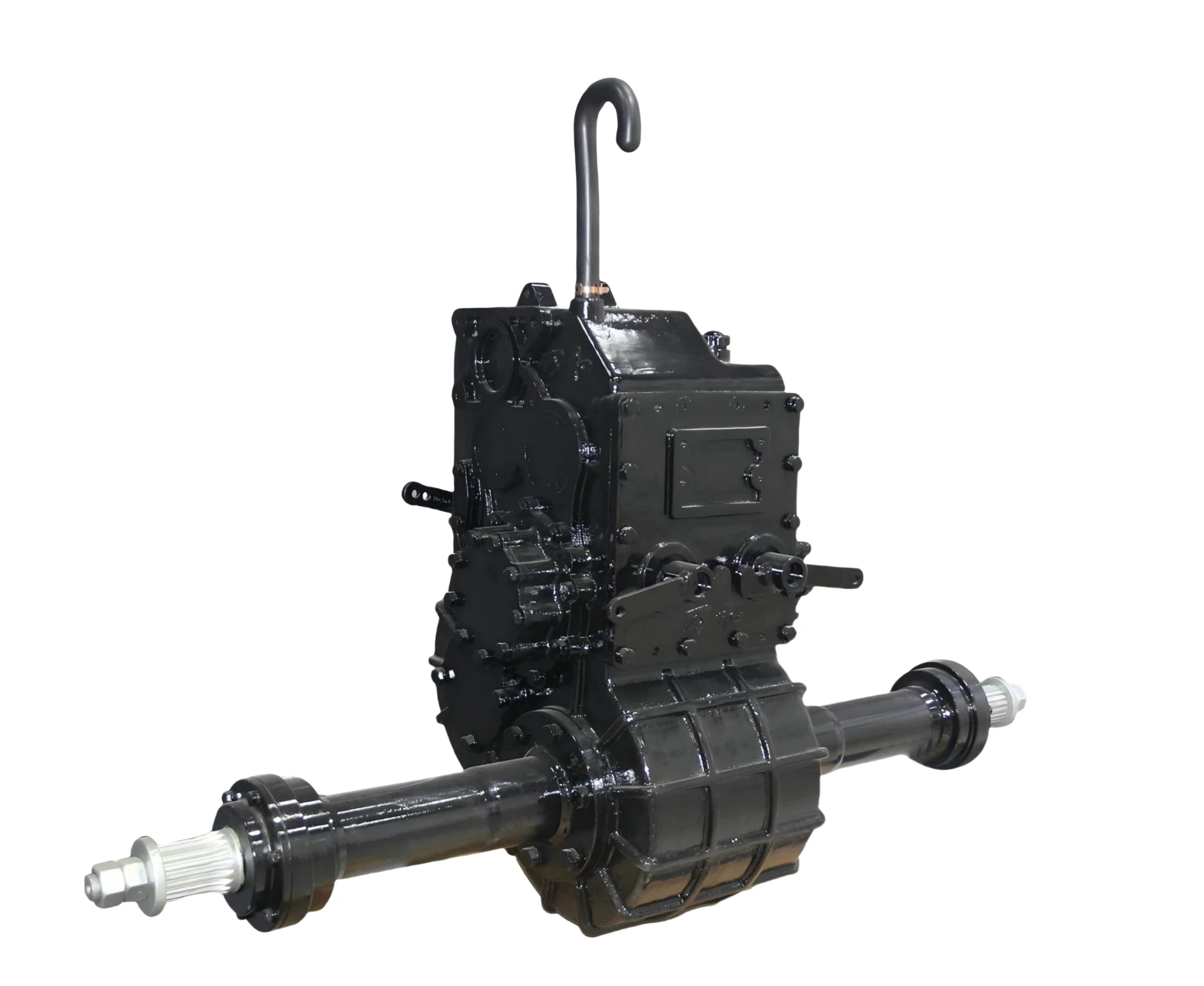
02Application of ComponentsIn agricultural machinery, the gearbox is mainly used to change the transmission ratio. Taking a tractor as an example, when the tractor needs to drive slowly in the field to cultivate the land and other operations, the gearbox can transmit the power of the engine through a lower transmission ratio, thereby outputting a larger torque to ensure that the agricultural machine has enough power to drive the agricultural implement for deep farming and other operations.
-
03Application of Agricultural MachineryField operations: Tractors are one of the most important power machines in agricultural production. In cultivated land operations, it can use powerful power to drive ploughshares to till the land by mounting ploughs to turn, break and level the soil, creating good soil conditions for sowing. For cultivator operations, it can mount cultivators to perform operations such as weeding, loosening and soil cultivation during crop growth to promote the growth of crop roots and nutrient absorption.
International layout
Spread all over the world
Our agricultural machinery products have won wide recognition and trust in the global market, and our sales network covers many countries and regions.

-
2026-04-04 22:5048 Inch Rototiller - Heavy-Duty Large Area TillingExploring the 48 Inch Rototiller: Industry Trends, Technical Insights, Manufacturer Comparison & App>
-
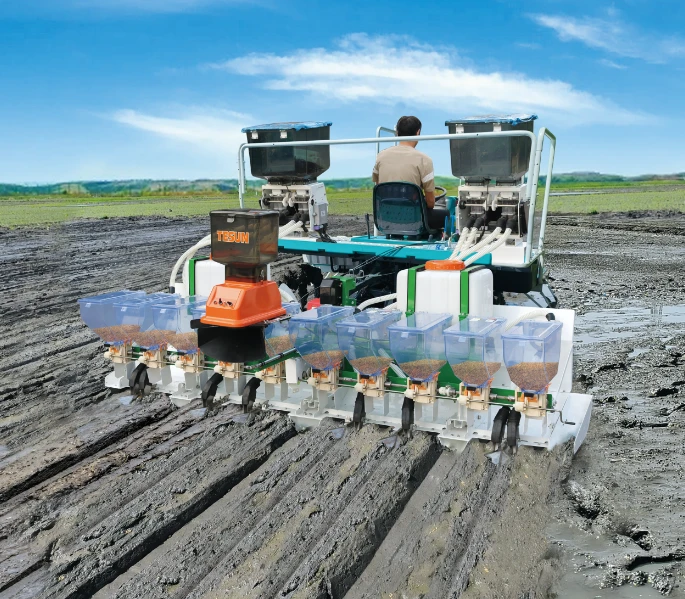
2026-04-04 21:26Air Suction No Till Seeder - Zinan Technology _ Precision Farming, Soil CoverageIn the ever-evolving landscape of agricultural machinery, the Air Suction No Till Seeder stands out>
-
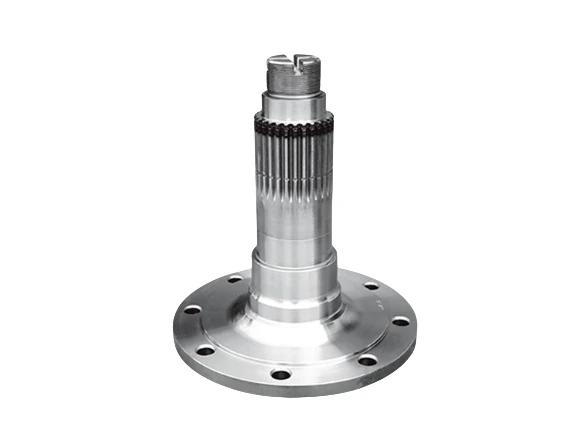
2026-04-04 20:56Understanding Shaft Types_ Essential for Gears & MachinesUnderstanding Industrial Shafts: A Critical Component in Power Transmission In the intricate world o>
Sign up
for Newsletter
Subscribe to the weekly newsletter for all the latest updates